Subtle Swagger: Filipino American Influence from the Manong Generation to Paradox
They carry themselves with a certain swagger that marries confidence without arrogance. Often quicker to give flowers than to receive them, but typically possess the portfolio to receive the highest award. In being so quick to take care of others, who takes care of them? Maybe this is the true paradox.
The /Paradox/ Tailored Garments Collection made by Hive & Colony featuring the Co-Founders of Paradox: JR Soriano and Jordan Benigno. Photo by @derekcuencajr.
Barbershops and salons are often referred to as cornerstones of the community but are sadly overlooked. It happens within the barber community too. Barbers and shops that are the cornerstone of the larger barber community are also often overlooked.
A few Octobers ago, this sentiment led me to write Cut by Kuya: Filipino American Barbers You Should Know About. It was a simple attempt to turn our attention towards the humble beasts quietly influencing and shaping barber culture as we know it. Most people don’t know, the article was a huge milestone in my own journey.
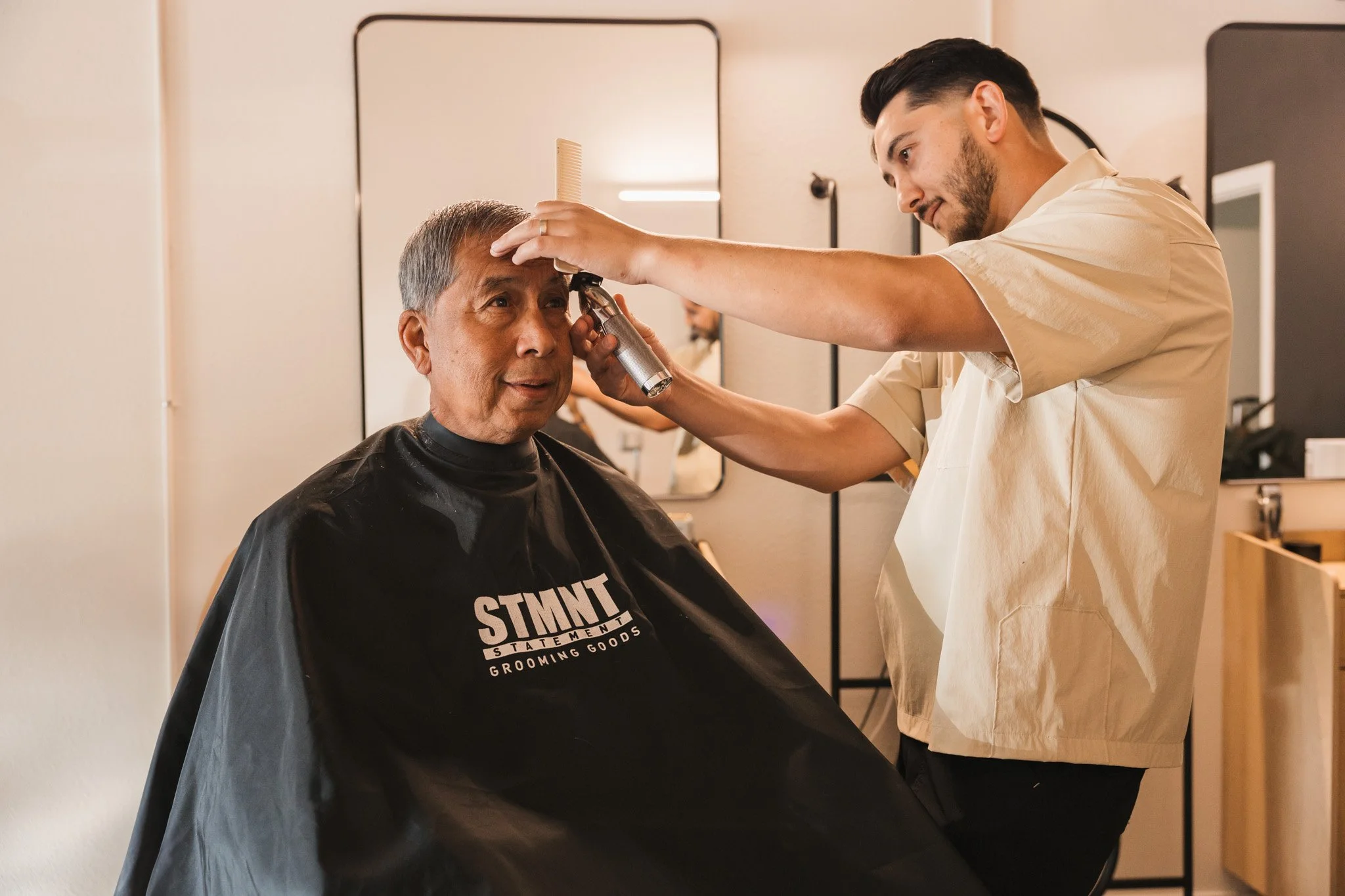
Giving my Dad a haircut inside Hair Skin Club. Photo by Samantha Josette.
For most of my life, I described myself as being ‘half-Filipino’. With a Filipino Dad and white Mom, saying ‘half-Filipino and half-white’ was the standard. Fast forward to my mid-20s, I was at a conference that created space for ethnic identity development and there was a breakout session for people of color. Someone asked if I was going and I replied ‘Am I allowed to?’ They laughed and said “What do you mean?” With a confused look I said: “Well, I’m only half.”
I didn’t realize it then, but I do now. All those years of describing myself as ‘half’ led to that moment. I didn’t believe I fully belonged because I wasn’t “full.”If you asked me to write Cut by Kuya then, I probably would have said ‘Am I allowed to?’ It took years of identity development to give myself permission to publish that column. Now, whenever someone asks or I feel the need to address the elephant in the room, I no longer describe myself as ‘half-Filipino’. Instead I say ‘My Dad is Filipino and my Mom is a mix of Irish, Hungarian, Lithuanian and Norwegian.’ Fractions are for math, not people.
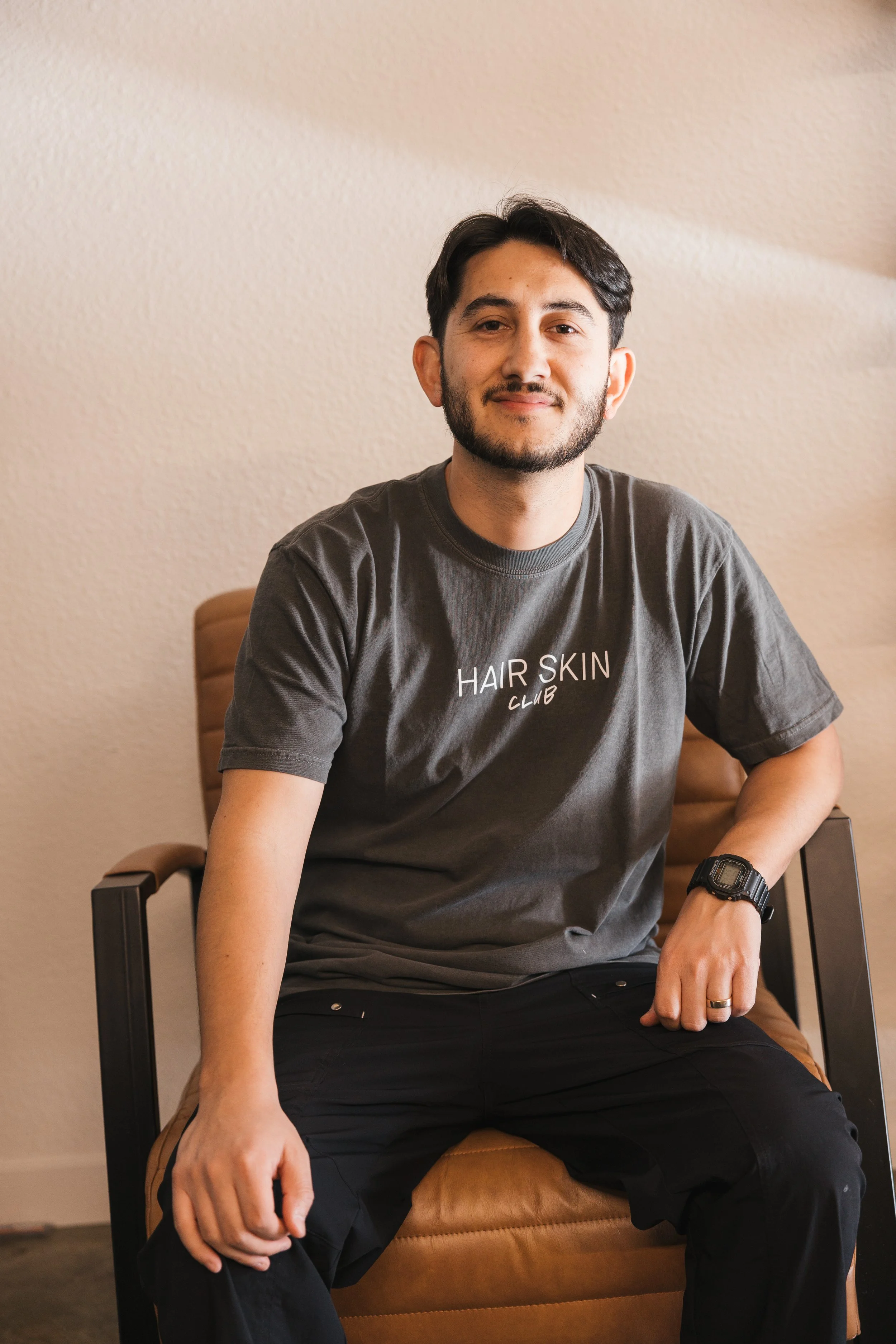
We don’t say half-Filipino, half-American. We say Filipino American. Just like there are various shades of blue, there are various shades of being Filipino. Identity is more of a mosaic where our understanding of self is made of many overlapping fragmented pieces. There are many ways of expressing our Filipino identity. Various experiences throughout college led to a tipping point that set me on my own journey to explore what it means for me.
It started by simply asking my family questions. With enough patience, some stories had never been told before. Learning about my family’s history from the 1920s, 30s and 40s, led me to study more about Filipino American history in general. With great grandparents from the manong and manang generation, one of whom owned a salon in Burlingame, there was a natural curiosity to make connections between Filipino American history and the beauty industry. Studying the intersection of the beauty and barber history blended with Filipino American history ended up revealing unexpected threads of empowerment and pride. Let’s rewind time and connect to today.
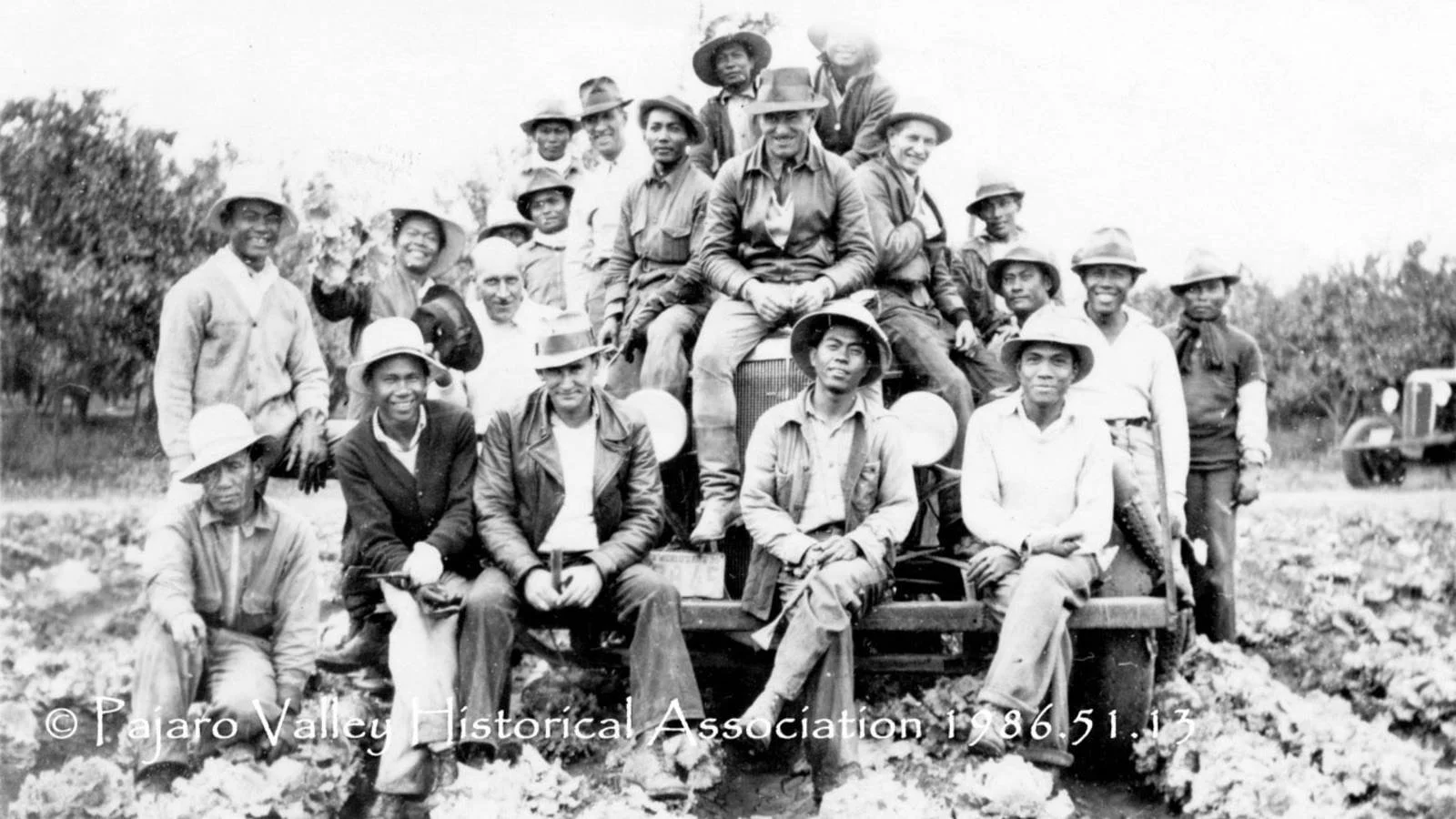
Filipino farm workers in Pajaro Valley, near Watsonville, California, September 1939. Photo © Mary Oliver/Pajaro Valley Historical Association.
In the 1920s and 1930s, a wave of Filipino immigrants arrived in the United States. Often referred to as the ‘Manong’ generation, they seeked fortune while facing discrimination. (Manong is an Ilocano term that means older brother). The manong farm workers played a significant role in leading the farm workers movement. Growing up, I remember learning about Cesar Chavez but it wasn’t until after graduating college that I learned about Larry Itliong and the manong's impact on the movement. This isn’t to minimize the influence of Cesar Chavez, Dolores Huerta and the Mexican American National Farmworkers Association. It’s to recognize that representation inspires and hope that young Filipino Americans will learn about US history in schools and get a chance to see themselves represented in a story like Larry Itliong.
Maybe Cut by Kuya was my unique attempt to put Larry in the textbook. But instead of the farmworkers movement, it was the modern barber movement. At a time when barbering was exploding in popularity, it felt right to shine a spotlight on pioneers who paved the way for many others. Randy Tagle sparked the YouTube tutorial era. Rich Mendoza paved the way for Asian American barbers in NYC. Mark Bustos popularized free haircuts on the street long before Vic did. Paradox embodied lifestyle culture while prioritizing continuing education through hair jams, look and learns and summits. Again, it’s not to discredit anyone, but rather recognize that oftentimes the people with a seat at the table aren’t the same people who built it.
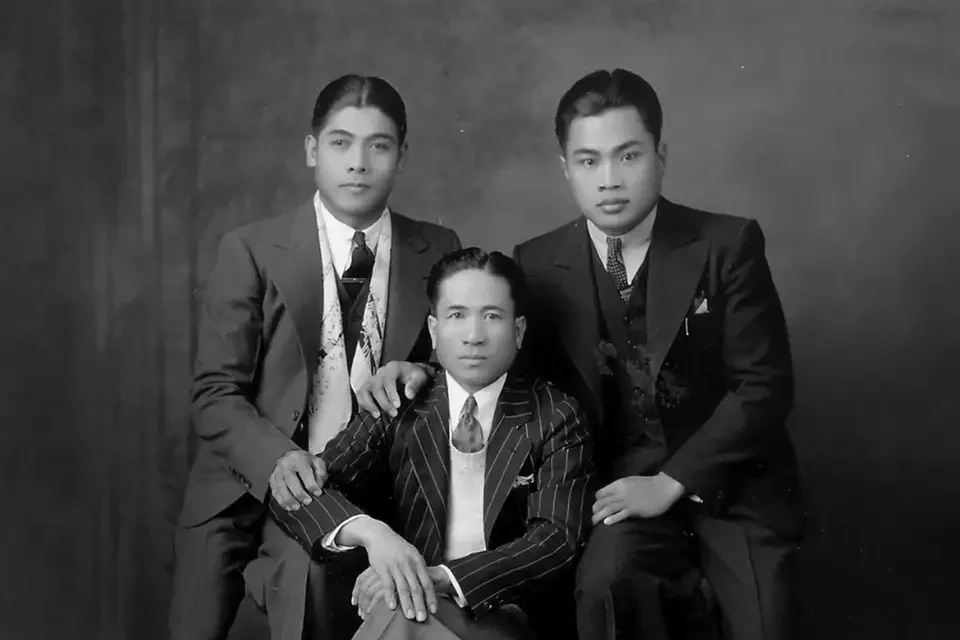
Filipino men would don their bespoke suits to take formal portraits at photo studios. This one is of cousins (L-R) Segundo “Sonny”, Estapanio “Larry”, and Cornelio “Charlie” Bautista. (Photo from Anita Navalta Bautista via SFGate)
Beyond their influence in the farmworkers movement, manongs were also known for their style. In the chaos of facing backbreaking work and discrimination, they looked like Hollywood movie stars on their days off. Coupling a slick back hairstyle with the coveted MacIntosh suit, they turned heads.
Joshua Bote writes on SFGate: “The suits were worn as a small act of defiance, as if to steal a little taste of American luxury, to lay a tiny stake to the privilege of white, upward mobility in America…handsome men, dressed to the nines, became representatives of a dream to be realized in the country that colonized them” (Source).
In a racially charged landscape, this manong swagger rubbed some the wrong way. On January 19, 1930, during one of their nights off, Filipino men were seen dancing with white women at a local dance hall and sparked a mob attack that involved 500 armed white men. The riot led to the death of Fermin Tobera when a rioter fired shots at a bunkhouse where some were hiding. To no surprise, no one was charged for the crime. This violence led to more violence. 10 days later on January 29, 1930, the Filipino Federation of America building in Stockton was bombed. And yet, instead of retaliating with violence, dressed to impress, they took a photo in front of the building.
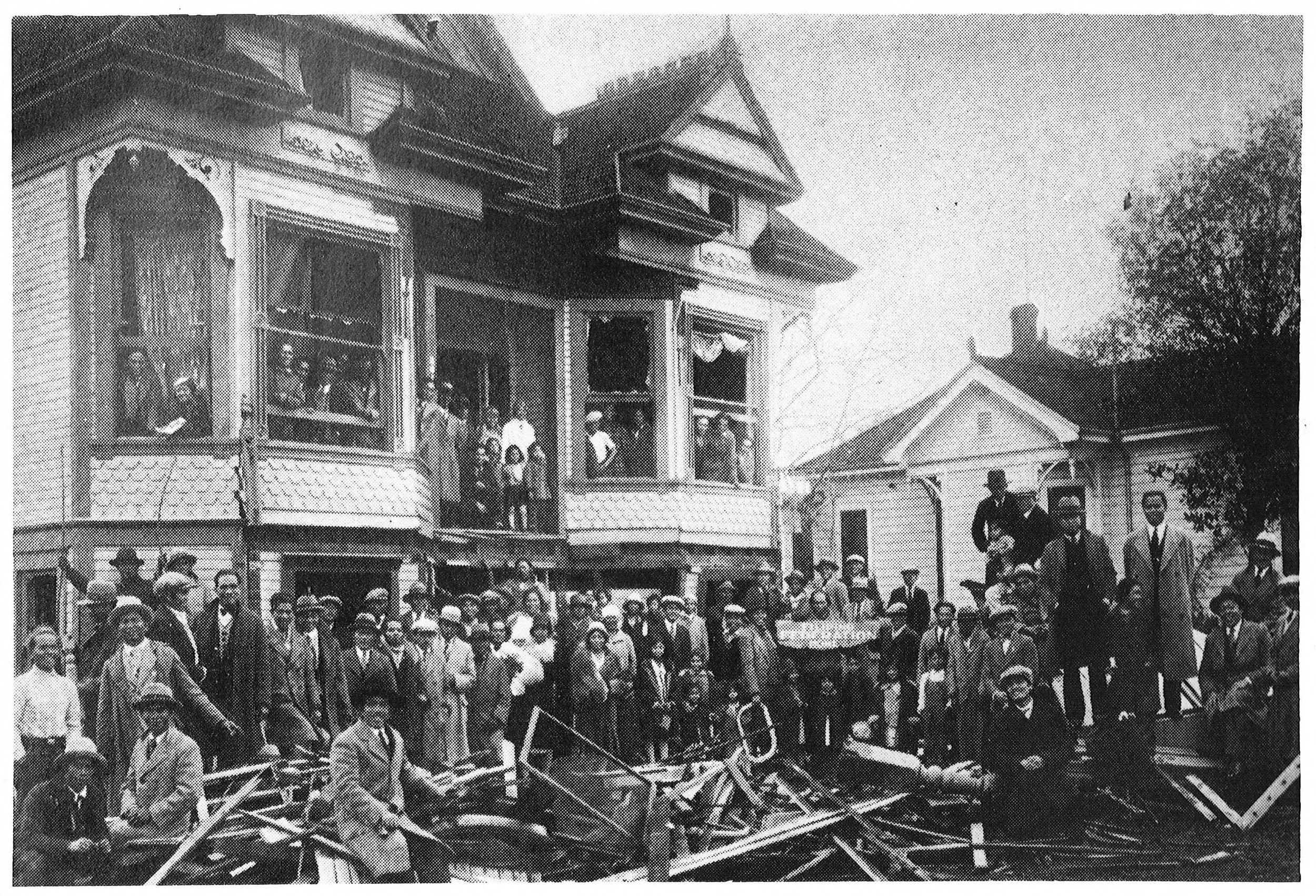
Photo in front of the Filipino Federation clubhouse after bombing. Photo from Holt-Atherton Special Collections, University of the Pacific Library
Ruby Veridiano writes: “When I look into it, I see my forefathers using fashion as a form of resistance. Instead of responding with violence, they used the power of dress to demonstrate not only their humanity, but to assert their dignity. They put on their best dress as an act of honor.” (Source).
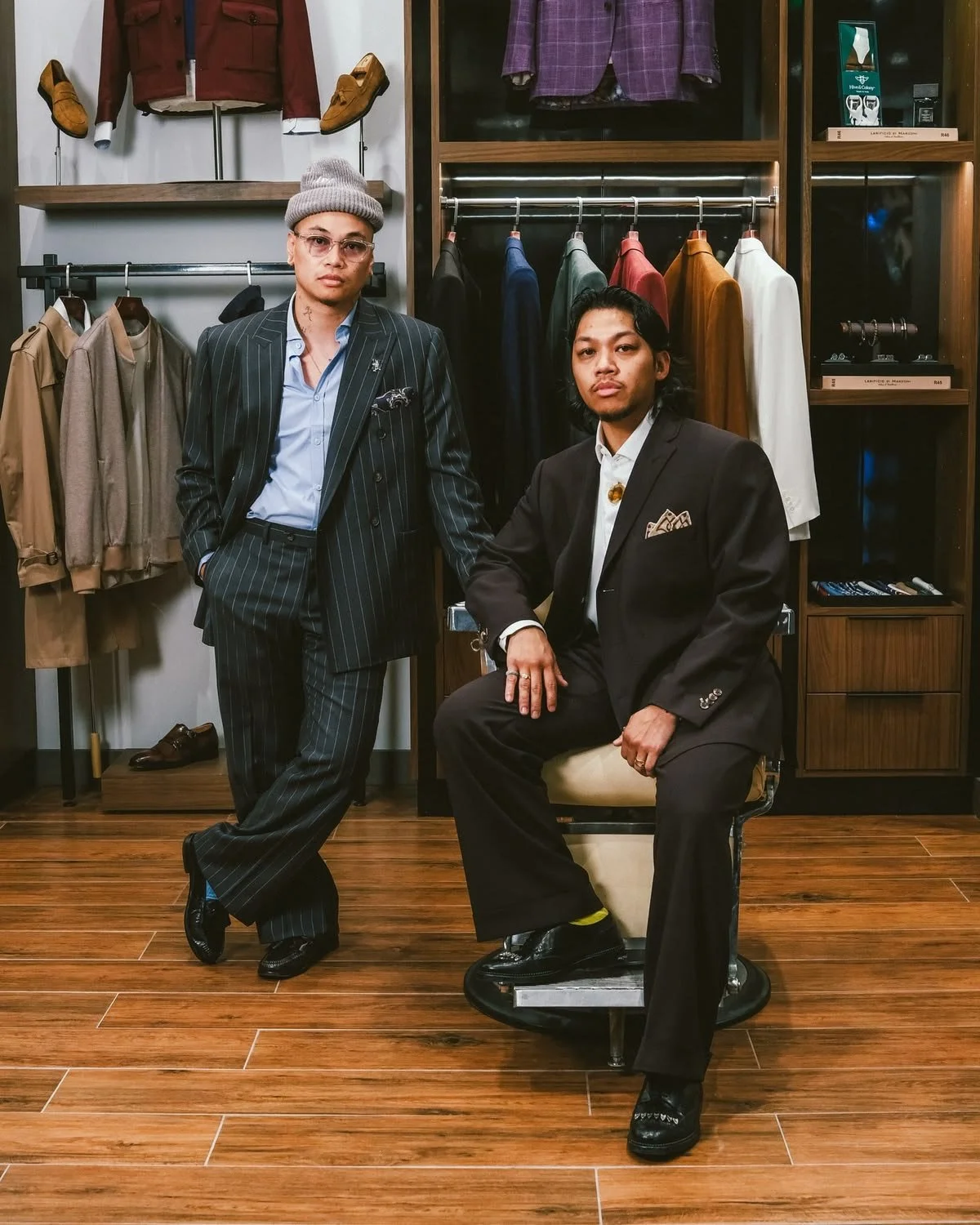
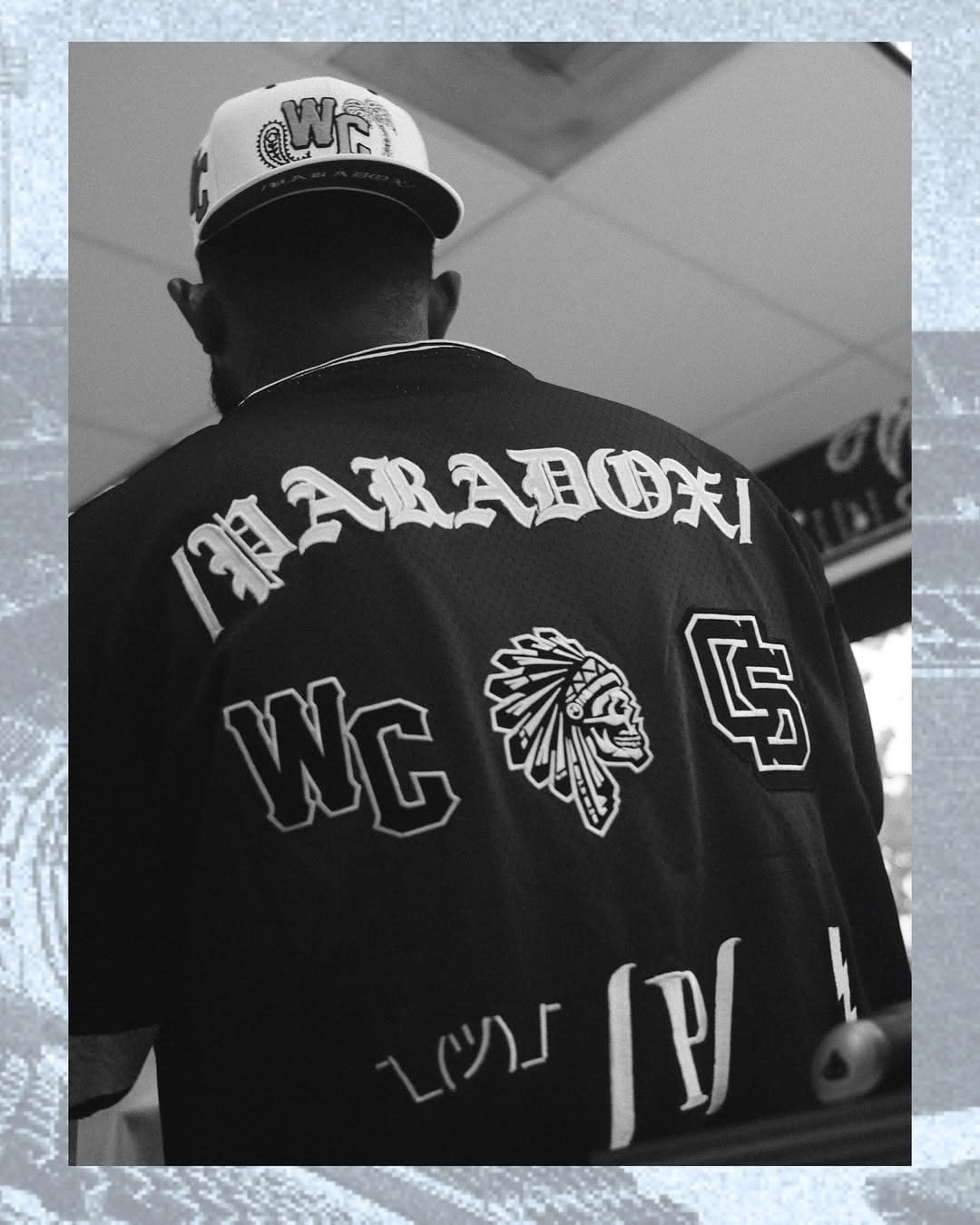
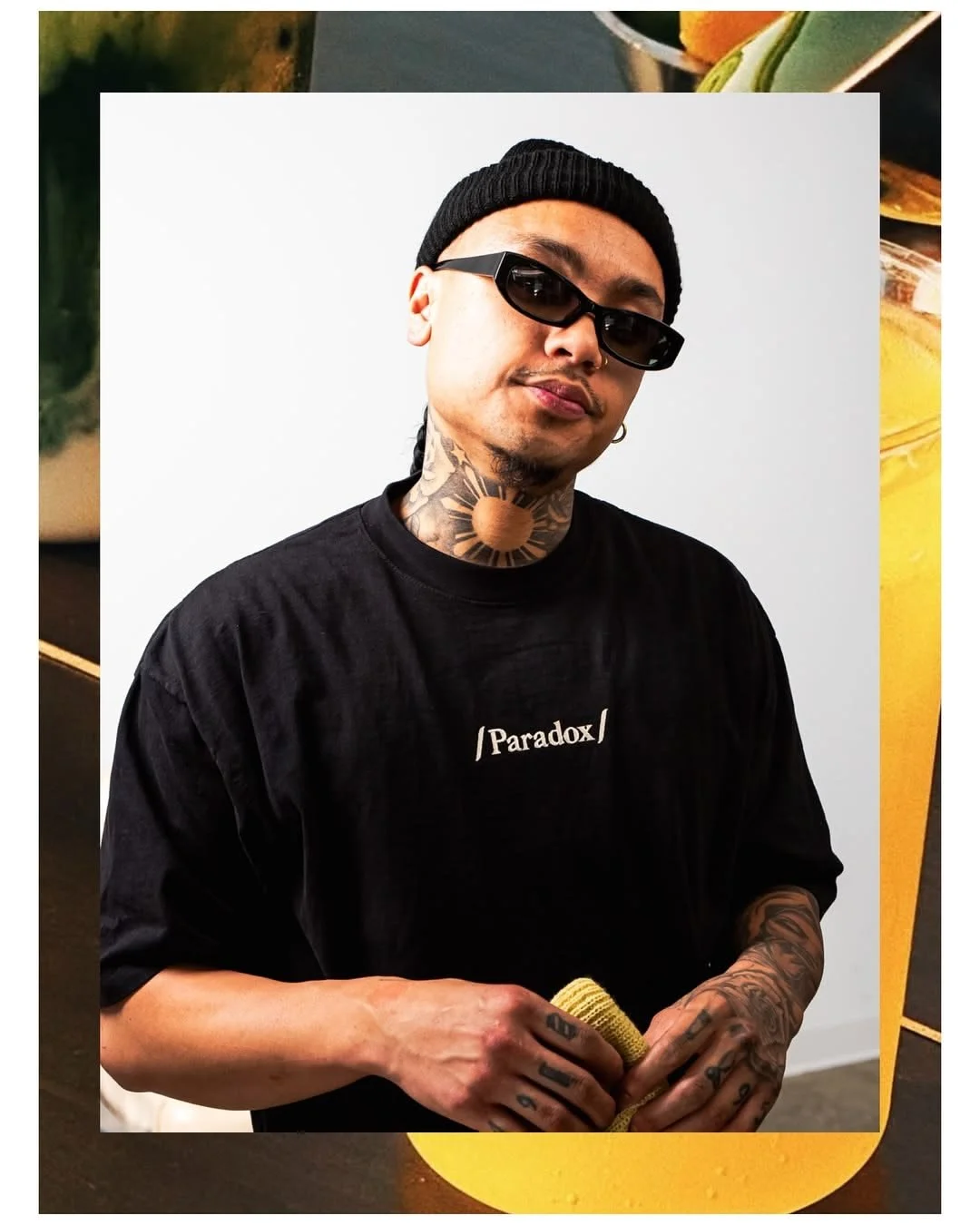
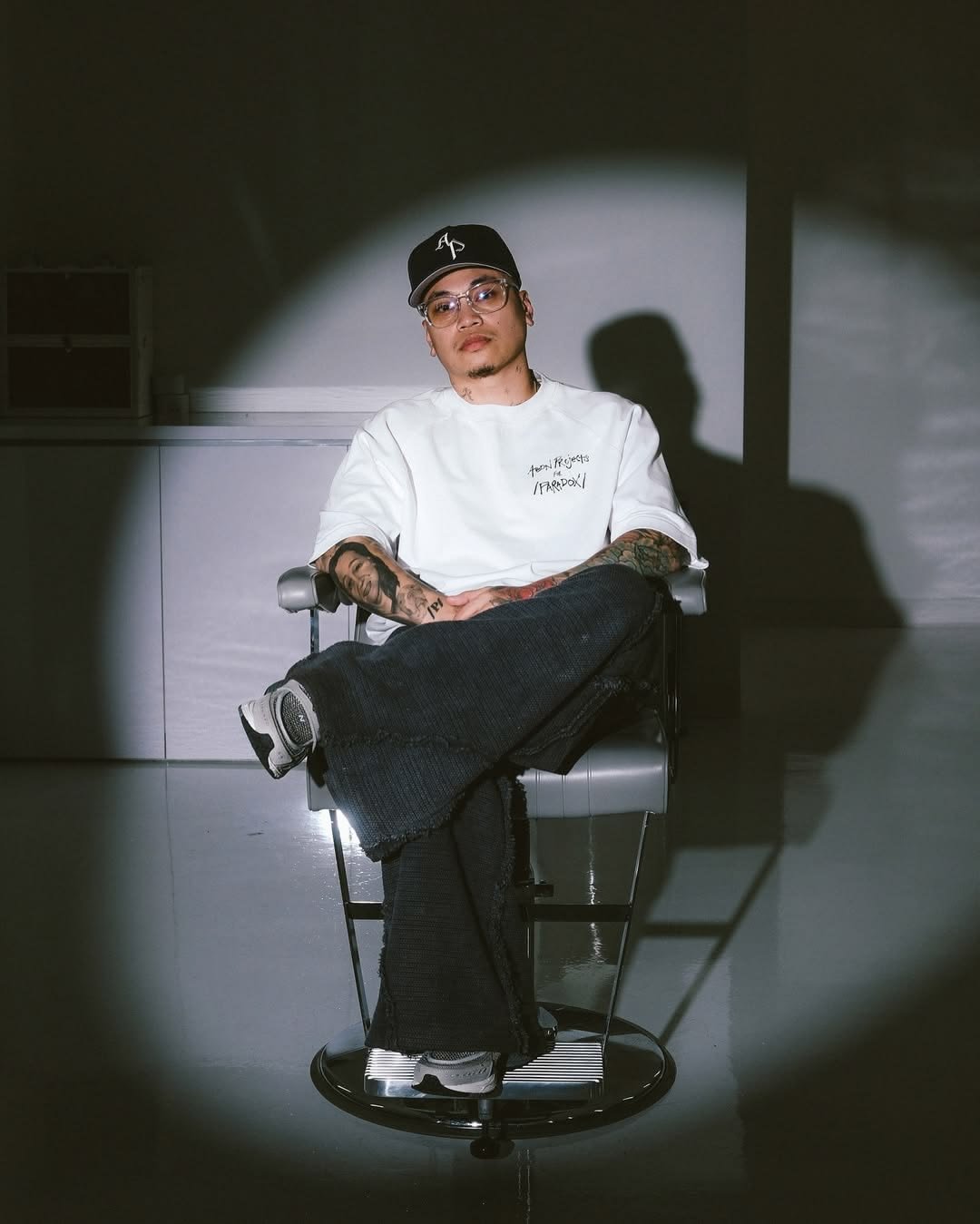
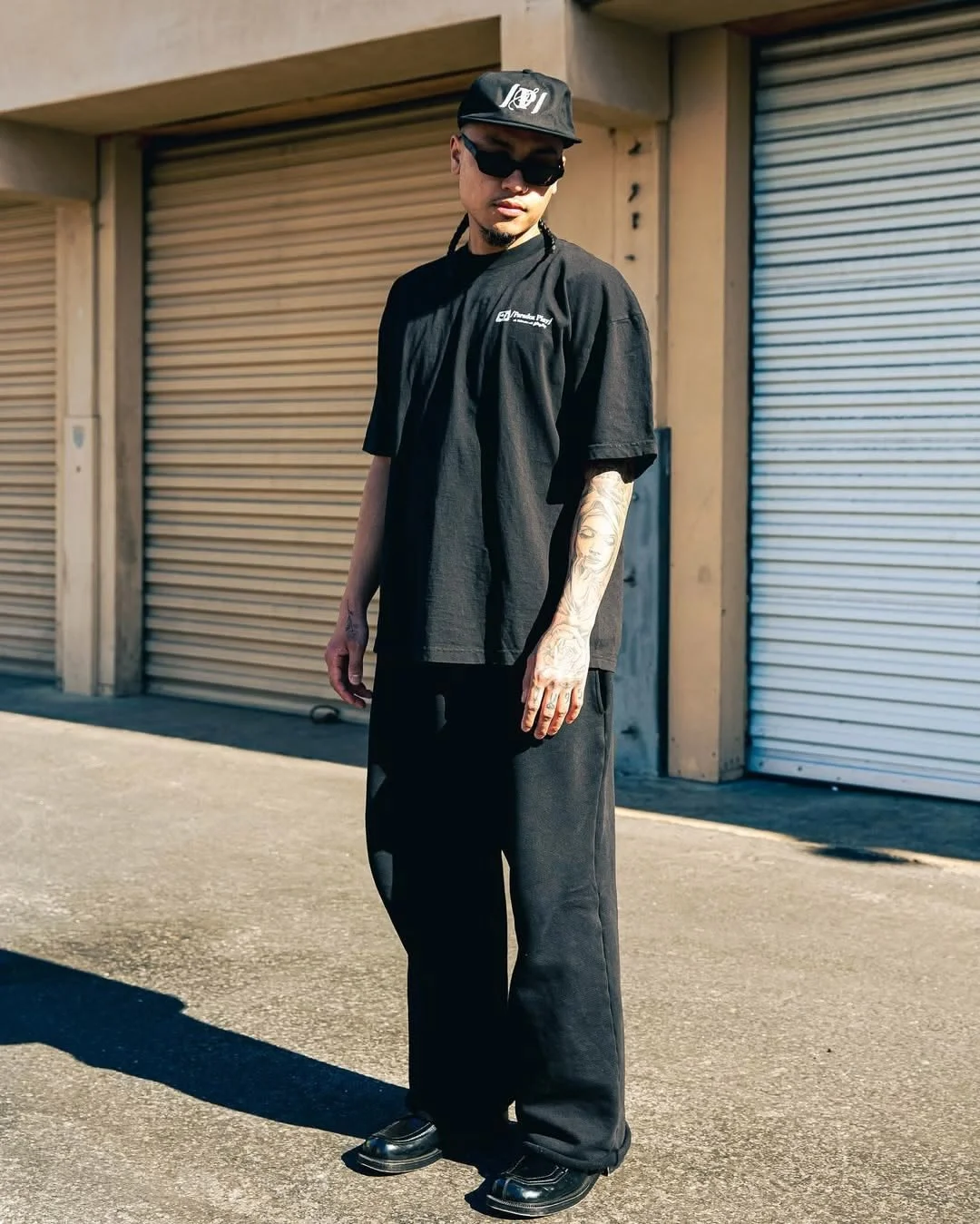
I hope this isn’t too much of a stretch but when I think of what Don Gomez, Jordan Benigno, JR Soriano and Jeff Phan have built with Paradox, I can’t help but weave a common thread of style throughout the generations. When you see them, their style immediately stands out. We rarely see a barbershop, not be called a barbershop and sell their own clothing that doesn’t quite fit in the ‘merch’ category. Lifestyle is a style of life and they embody it. The way they proudly model their clothing nods to the manong generation honorably rocking their custom tailored MacIntosh suits. And as they would roll up to the dance halls in groups of six to eight, it oddly reminds me of Paradox rolling up to the World of STMNT while heads curiously turn to figure out which one of them was famous.
Trend setters. Movement makers. And yet often left out of US history despite arriving 33 years before the pilgrims. Every October we observe and celebrate Filipino American History Month. All Americans benefit from this time to reflect and tell stories about our often underrepresented and overlooked history. From the farm workers to the barbers, the dance halls to the runways, these stories reveal common threads of a beautiful mosaic of being Filipino. And to anyone who tries to fractionally discredit your experience, you are also fully part of this story.
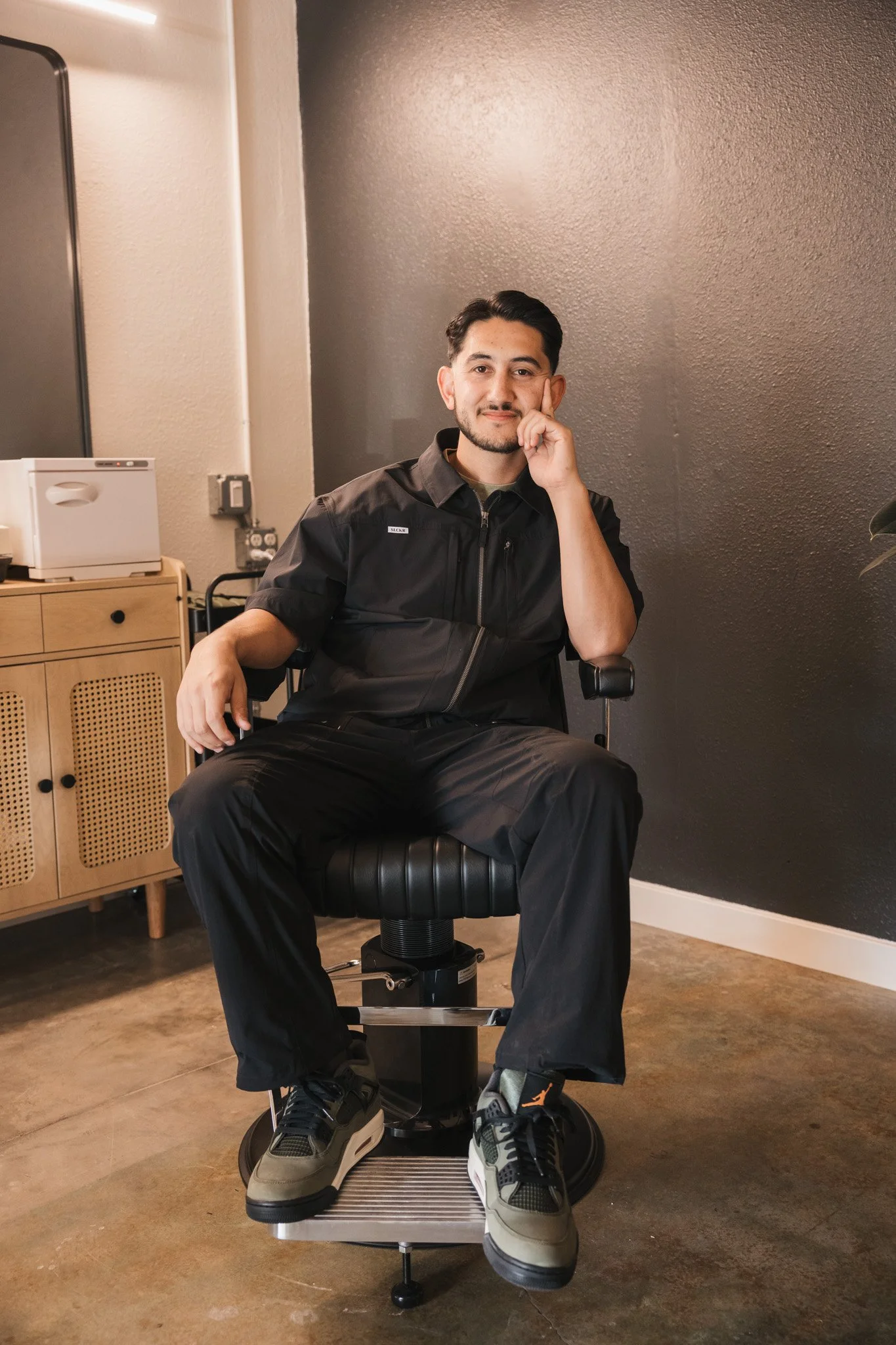
Written by Matthew Mendoza
Licensed barber, writer and consultant based in California. He is passionate about helping barbers develop their business and diversify their income. He hosts a podcast, writes a weekly newsletter and offers consulting.